Earth Day programs are fun to plan because they naturally combine creativity, education, and community connection. They’re flexible, scalable, and perfect for a drop-in, come-and-go format that welcomes families throughout the day.
This program can be designed as a day-long Earth Day experience, which is typically how I would run this. However, it can be changed to whatever works best with your community or for your space.
Program Overview
Transform the library into an Earth Day activity hub with several stations:
- Paper Pulp Seed Bombs
- Recycled Craft Creations
- DIY Bird Feeders
- Earth Day Coloring & Activities
- Themed Displays & Book Browsing
Each station is simple, self-guided, and can be supported by teen volunteers to keep everything running smoothly.
Featured Craft: Paper Pulp Seed Bombs
This was the highlight of the day when I ran it—messy, hands-on, and perfectly aligned with Earth Day themes.
What Are Paper Pulp Seed Bombs?

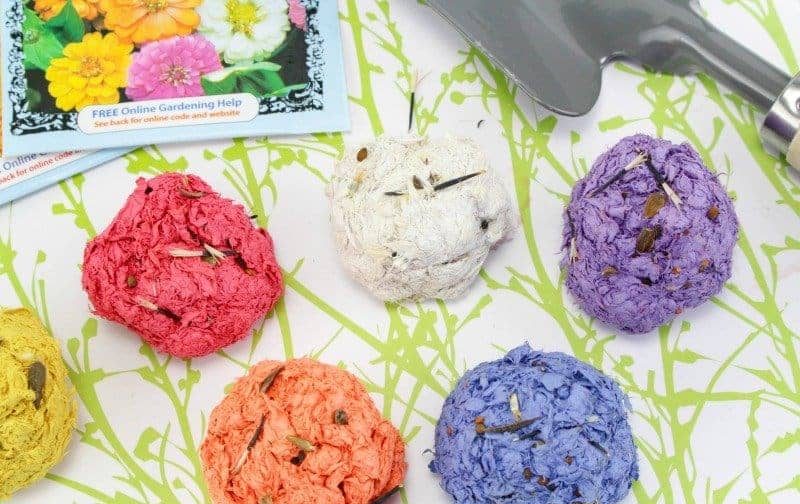
Paper pulp seed bombs are eco-friendly planting tools made from recycled paper and seeds. Once dried, they can be planted or tossed into outdoor spaces where they’ll break down and help flowers grow. The paper protects the seeds and helps retain moisture.
How We Did It
Step 1: Prepare the Paper
- Tear or shred scrap paper (newspaper, construction paper, tissue paper all work)
- Soak in water for about 20–30 minutes
- I had paper soaking ahead of time, but let the kids pick their colors if they wanted to. Just throw water into the blender/food processor if you’re using dry shreds of paper.
Step 2: Create the Pulp
- Blend the soaked paper in a food processor or blender until it forms a soft pulp
Step 3: Add Seeds
- Mix in wildflower or native pollinator seeds
- (Optional: add a small amount of compost for extra nutrients)
Step 4: Shape the Seed Bombs
- Squeeze out excess water
- Press the pulp mixture into small molds (we used condiment cups)
- Gently remove and place on trays to dry
Step 5: Let Them Dry
- Allow to dry for 1–2 days before tossing/planting
If you need visual instructions, I found this good, short video: https://www.youtube.com/watch?v=2yR9cVXQWRc&t=101s


Why It Works
- Uses recycled materials
- Hands-on and sensory (always a win)
- Connects kids to environmental impact
- Easy to scale for large groups
Additional Craft Stations
To keep participants engaged throughout the day, you can add a few more simple, low-prep stations:
DIY Bird Feeders
- Toilet paper rolls or pine cones
- Spread peanut butter (or sunflower butter)
- Roll in birdseed
- Add string to hang outside
Recycled Art Creations
Set out a variety of clean recyclables and let creativity take over:
- Cardboard
- Bottle caps
- Paper tubes
- Scrap paper
No instructions needed—just open-ended creating. This is a great way to get through some leftovers!
Earth Day Coloring & Activity Table
A great option for younger kids or those needing a quieter activity:
- Coloring pages
- Word searches
- Puzzles
Download my printable fun pack *HERE
*(Your purchase supports my efforts while I’m unemployed – Thank you!)
Earth Day Displays
Displays help extend the program beyond the activity tables and invite families to explore more.
Display Ideas:
- “Grow With Us” – Gardening books
- “Pollinator Power” – Bees, butterflies, ecosystems (check out my Raising Monarchs post!)
- “Reduce, Reuse, Read” – Sustainability titles
- Environmental nonfiction & picture books
Add simple facts or prompts to make displays interactive.
Teen Volunteers: The Real MVPs
This program can be almost hands-off for low staffed days if you use your teen volunteers.
Teens can be assigned a station to:
- Help explain the activity
- Assist younger participants
- Restock supplies
- Keep things organized
It not only makes the event manageable, but it gives teens a chance to lead, connect, and be part of something meaningful.
Teen Advisory Board Connection
If you’re looking to involve teens in a bigger way, this is a perfect opportunity to build or grow a Teen Advisory Board (TAB).
TAB members can:
- Help plan programs like this
- Lead activity stations
- Share ideas and feedback
- Earn volunteer hours
You can read more about starting a Teen Advisory Board HERE
Supply List
Paper Pulp Seed Bombs
- Scrap paper (newspaper, tissue, construction paper)
- Water
- Food processor or blender
- Wildflower/native seeds
- (Optional) compost
- Mixing bowls
- Spoons
- Condiment cups or small molds
- Trays or wax paper for drying
Bird Feeders
- Toilet paper rolls or pinecones
- Peanut butter or sunflower butter
- Birdseed
- String/yarn
- Plastic knives
Recycled Craft Station
- Cardboard
- Bottle caps
- Paper tubes
- Scrap materials
- Glue
- Scissors
- Markers
Coloring Table
- Printed coloring sheets
- Crayons/markers
- Pencils
Displays
- Earth Day-themed books
- Signage
- Optional decorations (plants, recycled materials)
General Supplies
- Table coverings
- Hand wipes or access to sinks
- Labels/signage for stations
- Bins for organization
Tips for Success
- Keep everything drop-in friendly
- Use clear signage at each station
- Prep pulp ahead of time if needed to save time
- Lean on teen volunteers—they make everything easier
- Expect mess… and plan for it
Final Thoughts
Earth Day programming doesn’t have to be complicated to be impactful.
By offering simple, hands-on activities and creating space for families to explore together, you’re building awareness, sparking curiosity, and empowering your community to care for the world around them.
And the best part? It’s flexible. Repeatable. And genuinely fun.
Exactly the kind of program we love.
If you enjoyed this post and want to see others like it, check out these popular posts & subscribe to get the newest posts delivered to your inbox!
*This blog is intentionally ad-free. I want it to be a clean, distraction-free space. Here, public librarians can find practical ideas for youth services, outreach, and programming. There will be no pop-ups or sponsored clutter.
Some posts may include affiliate links for books or supplies I genuinely use and recommend. If you choose to purchase through those links, I may earn a small commission at no additional cost to you. It’s a simple way to support the work while getting materials for your own programs.
If you’ve found value in these ideas, please consider helping keep the blog running. I’m unemployed, so tips are always appreciated. They go directly toward hosting costs and content creation. You can do so here: https://www.paypal.com/ncp/payment/SPBXH4RPDHCCY

Leave a Reply