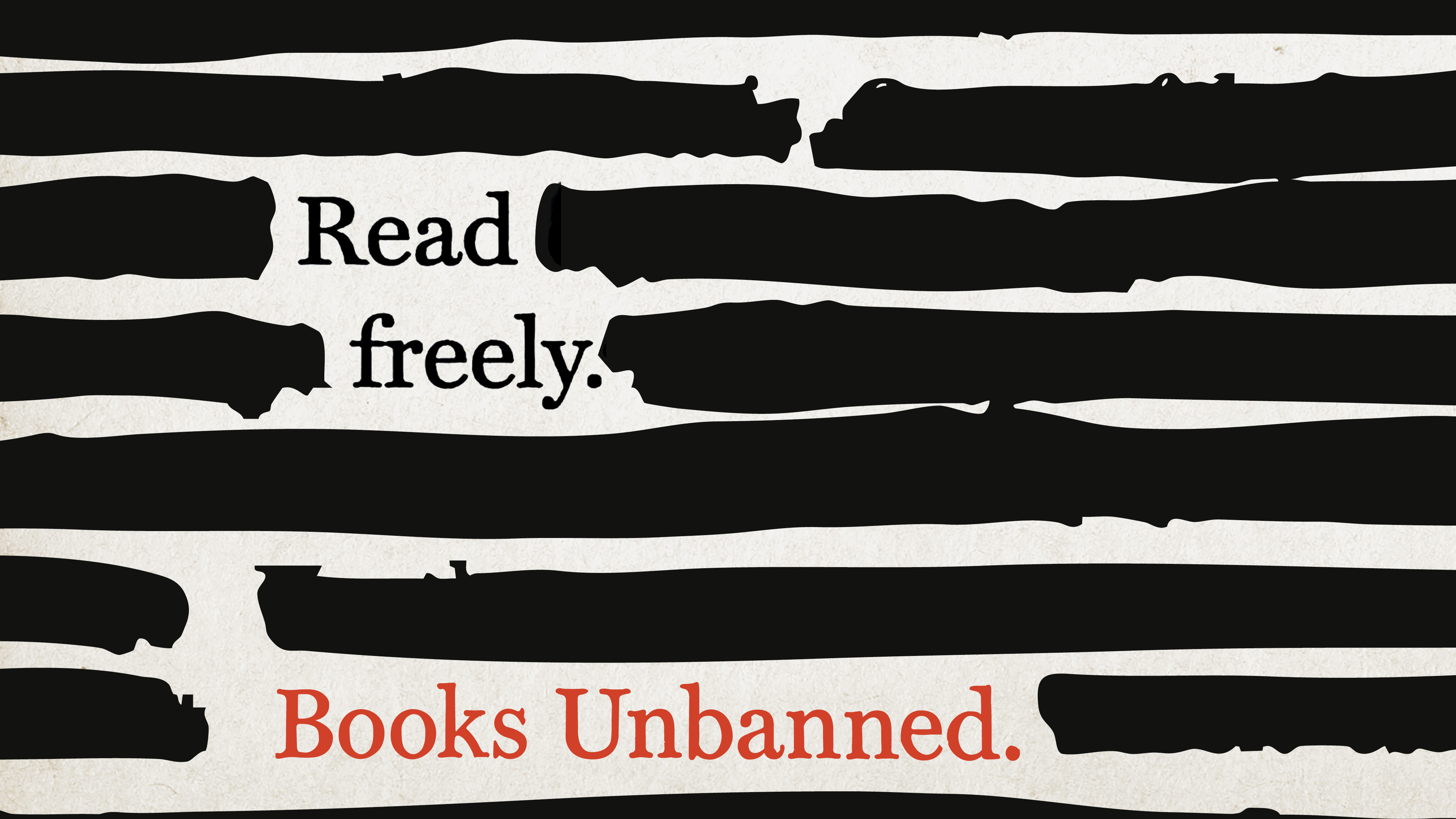

A resource occasionally appears that feels less like a program idea. It feels more like a call to action. The Freedom to Read Teen Advocacy Toolkit, developed by the Brooklyn Public Library, is exactly that.
At its core, this toolkit acknowledges a fact that youth services staff already know. Teens are not just library users. They are powerful advocates, thoughtful community members, and future leaders. The challenge isn’t whether teens can engage in conversations around intellectual freedom and censorship. The question is how to support them. Support must feel accessible and meaningful. It also needs to be sustainable within the realities of our work.
This toolkit helps bridge that gap.
Why This Toolkit Matters
We’re living in a time where conversations around censorship, access, and the role of libraries in democracy are no longer abstract. They’re happening in real time and in our communities. These discussions often unfold in front of the very teens we serve.
What I love about this toolkit is that it doesn’t just tell teens about intellectual freedom. It invites them into the conversation.
It’s designed to help teens:
- Understand the role of public libraries in American democracy
- Explore and articulate their own values
- Learn about their rights as students and readers
- Build confidence in public speaking and advocacy
- Practice real-world skills like writing, networking, and community engagement
And maybe most importantly—it gives them space to reflect, question, and grow.
What You Get
The toolkit is organized into four flexible units, each including:
- Ready-to-use worksheets (PDFs)
- Slide decks for easy facilitation
Everything is packaged in a simple ZIP file, making it incredibly easy to download, adapt, and implement.
You can plan a one-time program or build a full teen engagement series. You can scale this resource to fit your time, staffing, and community needs.
How You Can Use It in Your Library
Let’s be honest—most of us are balancing a million things at once. The beauty of this toolkit is that it meets you where you are.
Here are a few realistic ways to incorporate it:
One-Off Program
Host a “Freedom to Read” teen night using a single unit. Add snacks, a low-pressure discussion vibe, and you’ve got a meaningful program without a huge lift.
Teen Advisory Board (TAB) Integration
Use sections of the toolkit during TAB meetings. They help guide deeper conversations. Also, give teens ownership over advocacy efforts in your library.
Don’t have a TAB group yet? Check out this POST
Passive + Active Combo
Pull quotes, prompts, or questions from the worksheets and turn them into passive displays. Pair it with an optional discussion session for teens who want to go further.
Build a Series
Run all four units as a mini-series focused on civic engagement and teen leadership. This is especially powerful if you’re looking to grow teen participation over time.
More great resources from Books Unbanned can be found HERE, including advocacy tools, a podcast, and more!
Skills That Go Beyond the Library
One of the strongest aspects of this toolkit is how it blends intellectual freedom with life skills. Teens aren’t just learning what to think about—they’re learning how to think, communicate, and advocate.
They’ll practice:
- Public speaking
- Writing and self-expression
- Active listening
- Collaboration and networking
- Self-reflection and self-awareness
These are the kinds of skills that stick long after the program ends.
A Natural Fit for Youth Services Philosophy
If you’ve spent any time here at The Youth Services Playbook, you know I’m a big believer in:
- Meeting teens with respect
- Creating space for authentic voice
- Building programs that feel relevant and empowering
This toolkit checks every single one of those boxes.
It doesn’t require you to be an expert in intellectual freedom. It simply asks you to show up, facilitate, and trust that teens have something important to say.
Final Thoughts
Teen services isn’t just about keeping kids busy after school. It’s about helping them find their voice. It also helps them understand their place in the world.
The Freedom to Read Teen Advocacy Toolkit gives us a practical, flexible way to do exactly that.
There’s nothing more powerful than a teen who knows their voice matters—and knows how to use it.
If you enjoyed this post and want to see others like it, check out these popular posts & subscribe to get the newest posts delivered to your inbox!
*This blog is intentionally ad-free. I want it to be a clean, distraction-free space. Here, public librarians can find practical ideas for youth services, outreach, and programming. There will be no pop-ups or sponsored clutter.
Some posts may include affiliate links for books or supplies I genuinely use and recommend. If you choose to purchase through those links, I may earn a small commission at no additional cost to you. It’s a simple way to support the work while getting materials for your own programs.
If you’ve found value in these ideas, please consider helping keep the blog running. I’m unemployed, so tips are always appreciated. They go directly toward hosting costs and content creation. You can do so here: https://www.paypal.com/ncp/payment/SPBXH4RPDHCCY

Leave a Reply